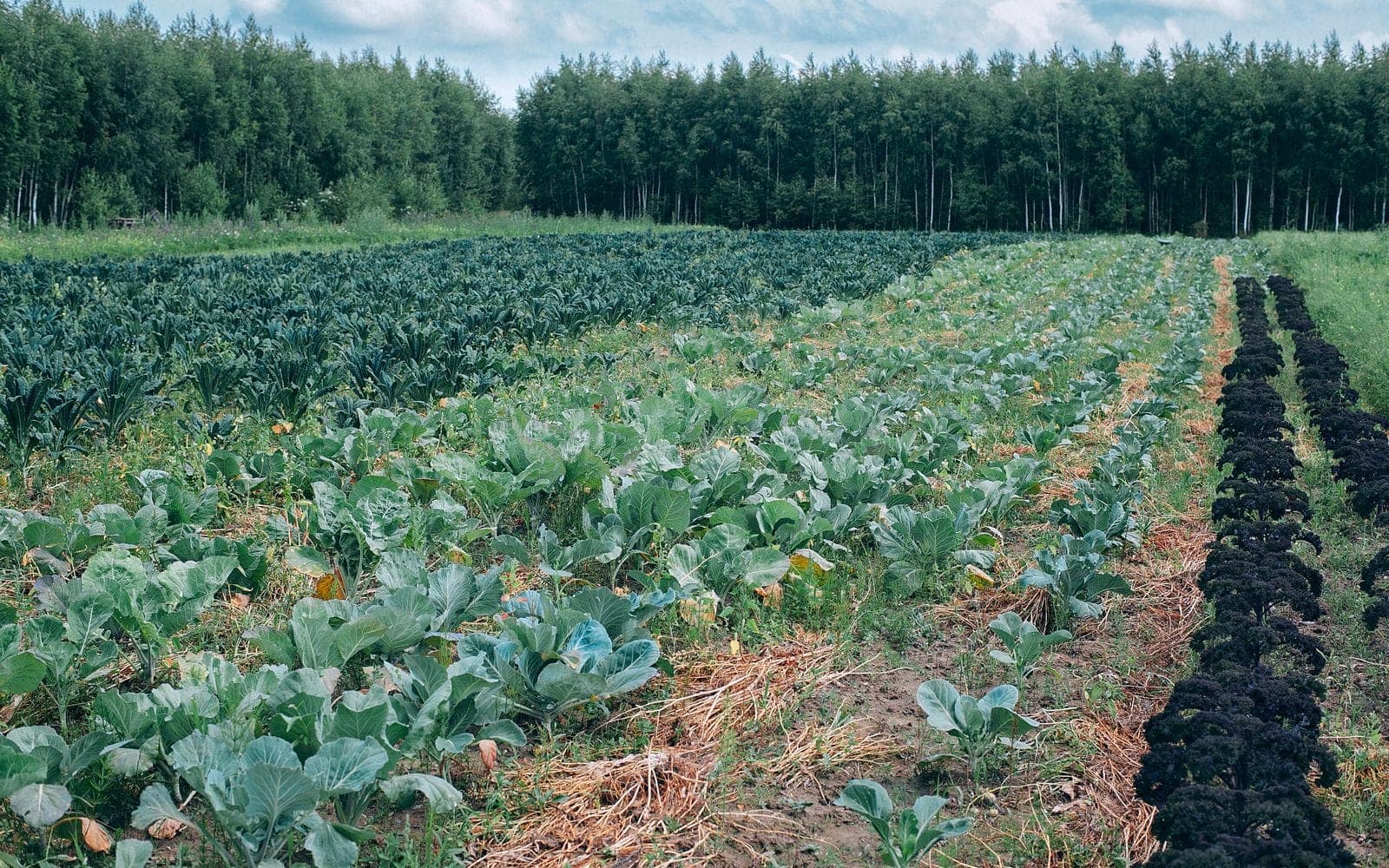
If they had to choose the two most important techniques in organic farming, many practitioners would choose crop rotation and cover crops. Both do not require expensive inputs, but require long-term planning and disciplined execution.
What can crop rotation do?
- Pest and weed management:Changing crop families across seasons disrupts the life cycles of many specialized pests.
- Nutritional balance:Legumes add nitrogen; Deep-rooted plants exploit nutrients in the lower layer and bring them to the surface.
- Soil structure:Alternating tap-rooted and tap-rooted plants helps improve porosity at many levels.
- Spreading risks:Crop diversity reduces losses when one variety is at a disadvantage.
Principles of cycle design
A good crop rotation cycle usually avoids replanting the same family of plants on the same plot of land for several consecutive seasons, alternates "high-nutrition" crops with "soil-enhancing" crops, and arranges at least one period with cover crops or green manure crops. The farm should draw a map of plots and a multi-year crop calendar to keep track.
Covering plants
Cover crops are grown primarily to protect and improve soil, not to harvest. They prevent erosion, keep nutrients from leaching during the rainy season, inhibit weeds, and when embedded in the soil become a source of organic matter and nitrogen. Species selection depends on the goal: legumes to fix nitrogen, herbs to create biomass and prevent erosion, a mixture of species to achieve multiple goals at the same time.
Put into practice
The biggest challenge is often time: cover crops take up space and time that could be spent on commercial crops. The solution is to view them as an investment in land, plan to sow and finish at the right time, and start testing on a portion of the area before expanding.