Organic certification answers the question "how was the product grown". But buyers in many developed markets are expanding their list of questions: what are the working conditions, what are the emissions in production and transportation, is the soil sourced from deforestation, is the packaging recyclable, how is the water used. Some of this is moving from "buyer requirements" to "market mandates".
Types of information commonly asked for
- Carbon footprint:estimates the greenhouse gas emissions associated with a unit of product, from cultivation to delivery.
- Preventing deforestation:Proof that the production land does not originate from deforested forests after a certain period of time, along with the location coordinates of the planting area.
- Water Use:amount of water for production, especially in water scarce areas.
- Biodiversity:areas of natural habitat retained, practices that support pollinators.
- Working conditions:Labor safety, remuneration, no forced labor, no child labor.
- Packaging:volume of materials, recyclability, percentage of recycled materials.
From voluntary requirements to mandatory regulations
The clearest trend comes from the European Union. The EU's Deforestation-Free Products Regulations (EUDR) require many products — including coffee, cocoa, rubber, palm oil, wood, soybeans, and livestock — to be imported into the EU to demonstrate that they do not involve deforestation and have data locating the production area. The Border Carbon Adjustment Mechanism (CBAM) currently applies to some industries but shows a way forward: goods with high emissions intensity will incur costs at EU ports. Vietnamese agricultural products sold into the EU need to closely monitor these regulations because the time of application and scope may change.
Opportunities and risks for organic producers
For organic producers, most farming practices have produced good results on these indicators: fewer synthetic inputs mean lower emissions from fertilizers; Keeping tree hedges and crop diversity is good for biodiversity and carbon storage. The challenge ismeasurement and presentationthem in a consistent, verifiable manner. Conversely, making sustainability claims without supporting data is a big risk — open to question, and in some markets can be treated as false advertising.
Start from available data
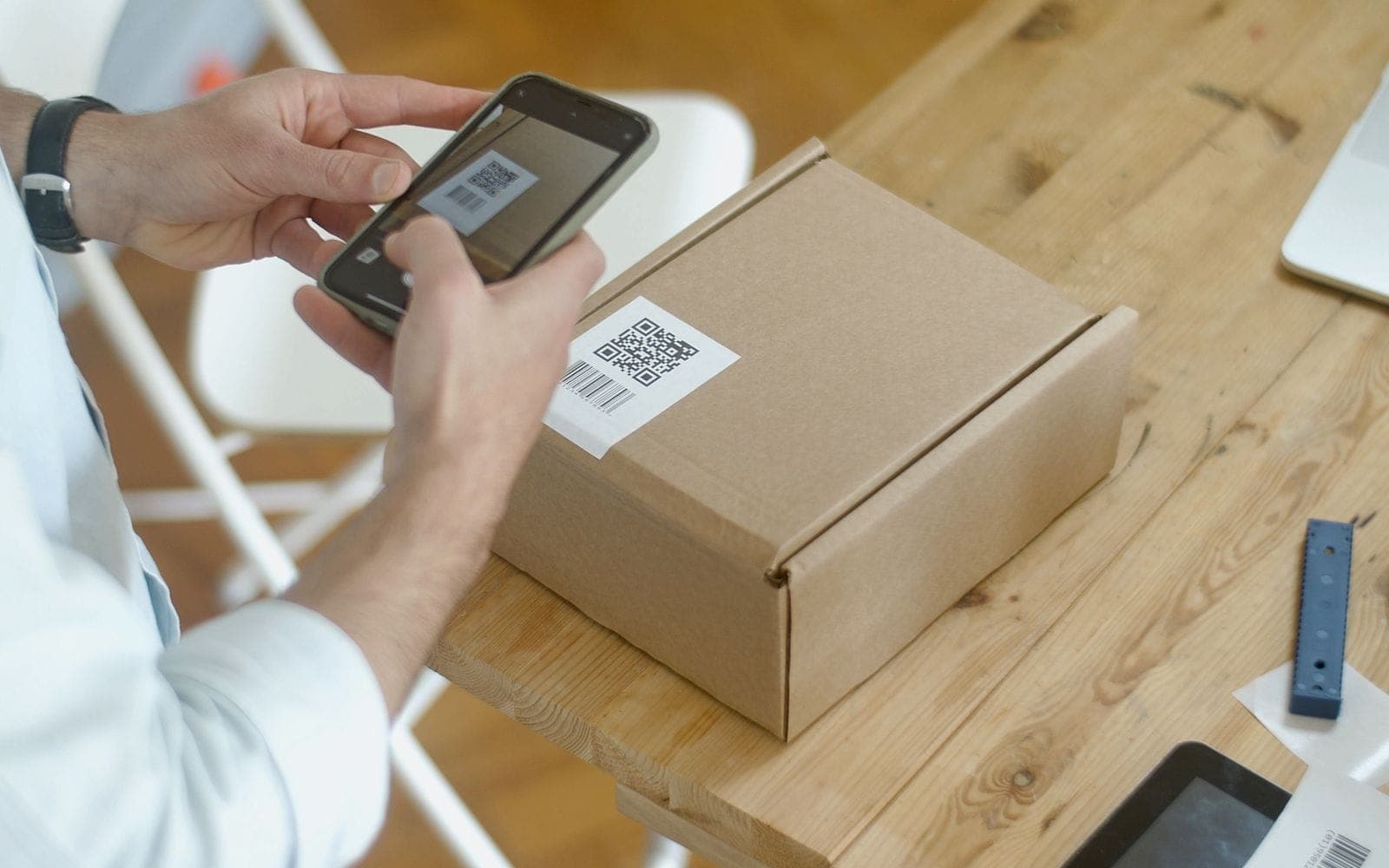
Much necessary information is already in the farming records: input materials, fuel consumption, transport volume and distance, land use area and structure, coordinates of plots. Reorganizing this data into a basic sustainability profile often does not require a new system, but requires recording discipline and a clear presentation framework. With origin traceability, it is possible to connect shipment data to the National Product and Goods Origin Traceability Portal to serve both domestic management and foreign partners' requirements.
Communicate early with buyers
Instead of waiting to be asked, suppliers should proactively ask buyers which metrics they are most interested in and according to which reporting standards. This helps focus resources on the right things that matter to the trading relationship, rather than trying to measure everything at once. With mandatory regulations like EUDR, it is advisable to prepare early because collecting coordinates and building a chain of evidence for thousands of small farmers takes a long time.
EUDR: what to prepare specifically?
- Collect positioning coordinates (polygon or point, depending on area) of each production plot, associated with the list of farmers.
- Prepare evidence of the current status of non-forest land use converted after the specified time (usually based on satellite images and land records).
- Build a data link from the exported shipment to the plot group: batch code — preliminary processing facility — household group — coordinates.
- Save records for import partners to prepare due diligence statements according to their requirements.
For the coffee, cashew, and rubber industries — products within the scope of EUDR — this is work that must be done at the regional level, usually coordinated by focal enterprises or industry associations, with technical support from management agencies.
Calculating your carbon footprint: a simple way to get started
No need for complicated models from the start. A rough estimate for a unit of product can be based on: amount and type of fertilizer and lime; fuel for machinery and irrigation pumps; electricity consumption; Distance and method of transportation to port; and soil carbon changes if data are available. Organic producers often have the advantage of near zero synthetic fertilizers. It's important to use a consistent method over the years to see trends, and clearly state your assumptions so buyers can verify them.
Buyer reports entail requirements with suppliers
Many importing corporations in the EU must now report sustainable development according to the bloc's regulations (CSRD directive and accompanying standards), including emissions and risks in the supply chain. As a result, they pass part of their data requirements down to the supplier: emissions statements, labor policies, proof of no deforestation. Suppliers who prepare this set of documents will have an easier time keeping and expanding orders.
Reference
- National information portal for traceability of products and goods.
- Ministry of Agriculture and Environment— guidance on adapting EUDR regulations and sustainable development of the industry.
- EU Regulation on deforestation-free products (EUDR).
- Decree 109/2018/ND-CP on Organic Agriculture.