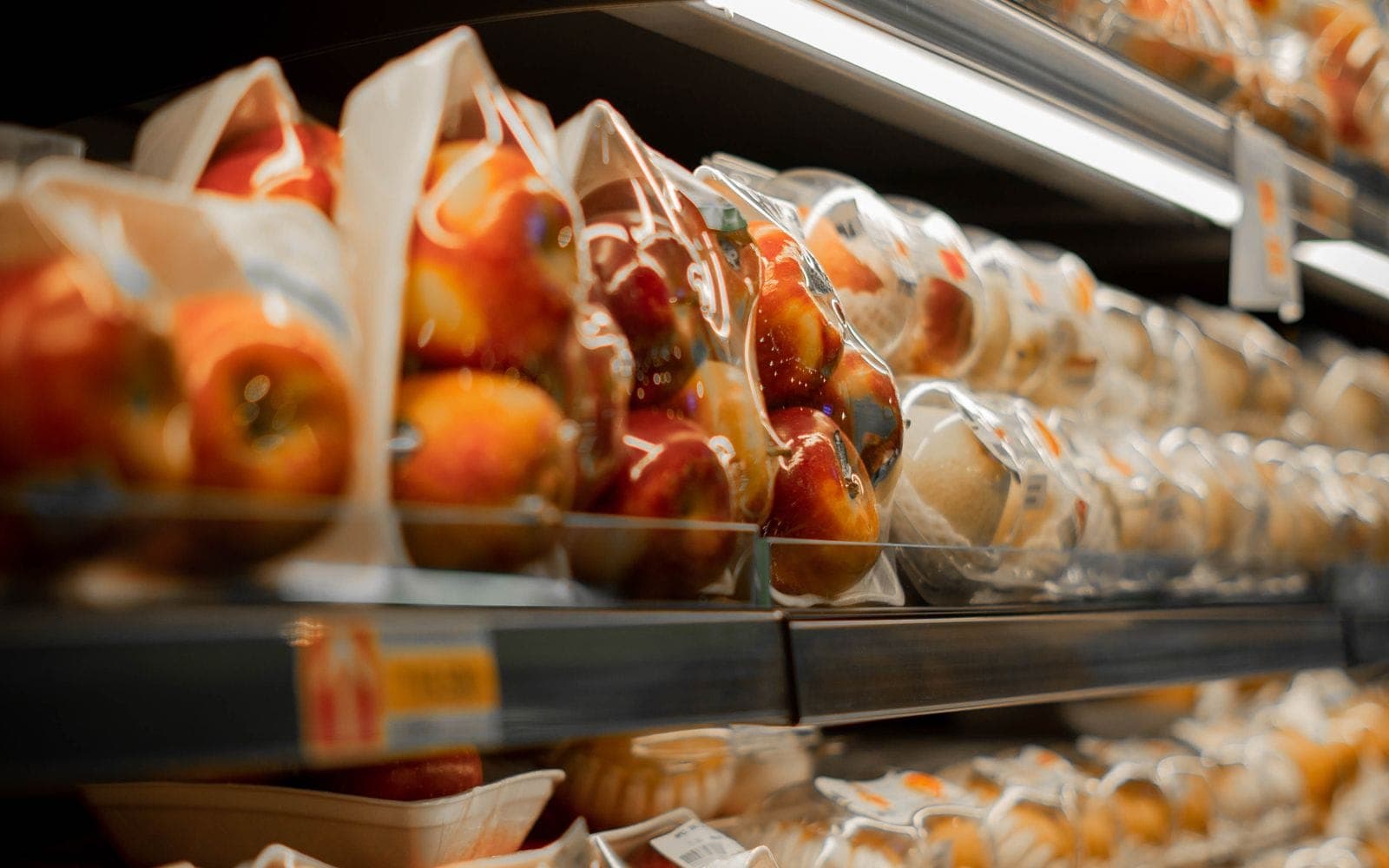
Traceability is the backbone of organic integrity in the export chain. When buyers or regulators ask questions about a shipment, the ability to respond quickly and accurately, with documentation, is what makes the difference between a reliable supply chain and one in trouble.
Two-way access
- Reverse direction:From a box of goods on a shelf, back to the packing lot, the harvesting lot, the land plot and the farmer's household.
- Forward direction:From a harvest lot, identify all lots and the customers it went to. Necessary when recalling.
Links need to be noted
Each time product is harvested, batched, batched, processed, repackaged or transferred is a point of record, with input batch code, output batch code, volume and date. The most vulnerable point is when many small batches are combined into one large batch, or when the product is repackaged under a different label.
Balance the volume
A good traceability system allows checking: whether the total input volume of a stage matches the total output plus reasonable losses or not. This is also the test that organic auditors perform to detect adulterated organic goods.
Tools
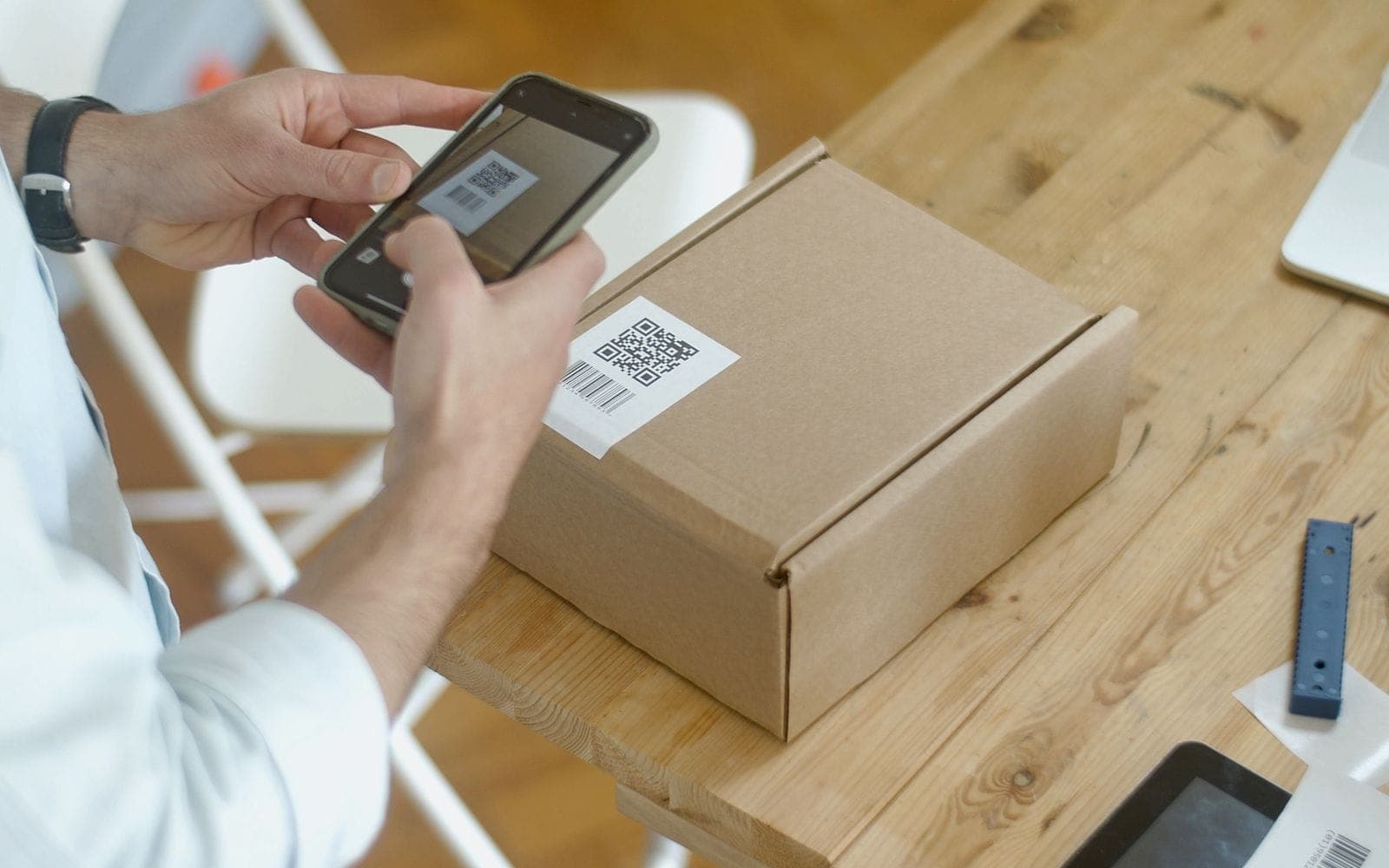
The traceability system can operate on paper with consistently numbered batch codes, or on software with barcodes and databases. Technology makes lookups faster and reduces data entry errors, but the principle remains the same: every time goods change status or change hands, a trace must be left behind.
Retrieval drills
Many exporters periodically perform a drill: randomly select a batch and try to trace it back to the source for a limited period of time. The results of the exercise show whether the system really works or only exists on paper.