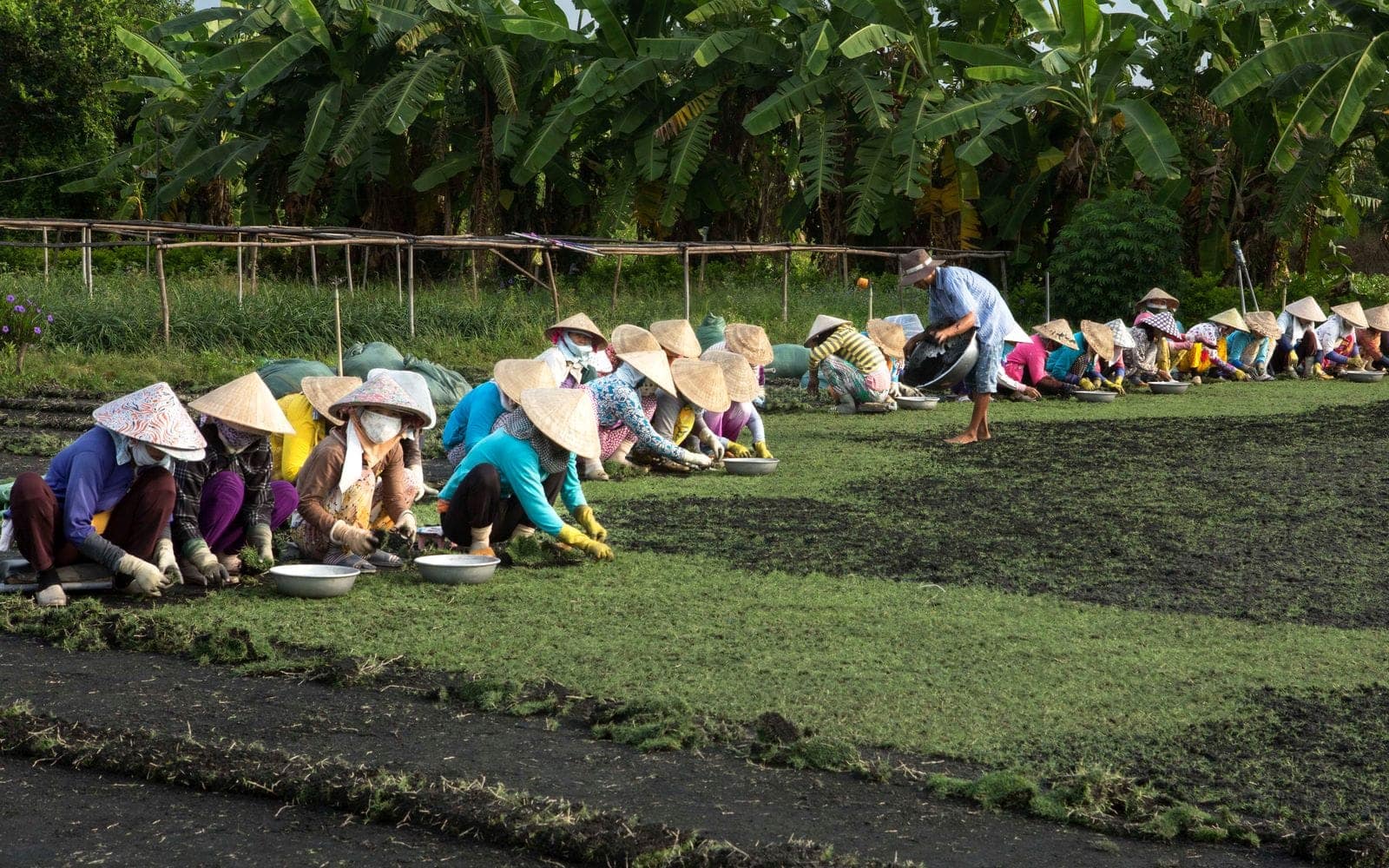
The majority of valuable tropical agricultural products on the organic market are produced by small-scale farmers. No exporter can commit to stable quality and volume to the market if the relationship with the producer only stops at buying and selling each case.
Three pillars of the model
- Technique:Transfer of standardized organic farming processes, conversion support, and field consultation during important stages of the season.
- Organization:Support the formation of production groups with internal control systems, helping small farmers access certification that is difficult for individual households to achieve.
- Market:commitment to offtake with clear terms, so that farmers can plan production without worrying about output.
Why do we need all three?
Only providing technical support without ensuring output means farmers lack the motivation to invest in the long term. Just committing to purchase without technical support means the quality is unstable. Only organizing a group without a market makes the internal control system difficult to maintain. The three pillars support each other.
Share risks
The transition period to organic is when farmers are under the greatest pressure: productivity may decrease while products cannot be sold at organic prices. A sustainable cooperation model needs to consider risk sharing during this period, instead of letting farmers bear the entire burden.
Long-term relationship
We consider our relationship with farmers to be a multi-year relationship, not a transaction. Trust is built through keeping commitments, paying on time, and working together to handle difficult cases. That is also the foundation for Flora Global to keep its commitments to partners at the other end of the chain.