
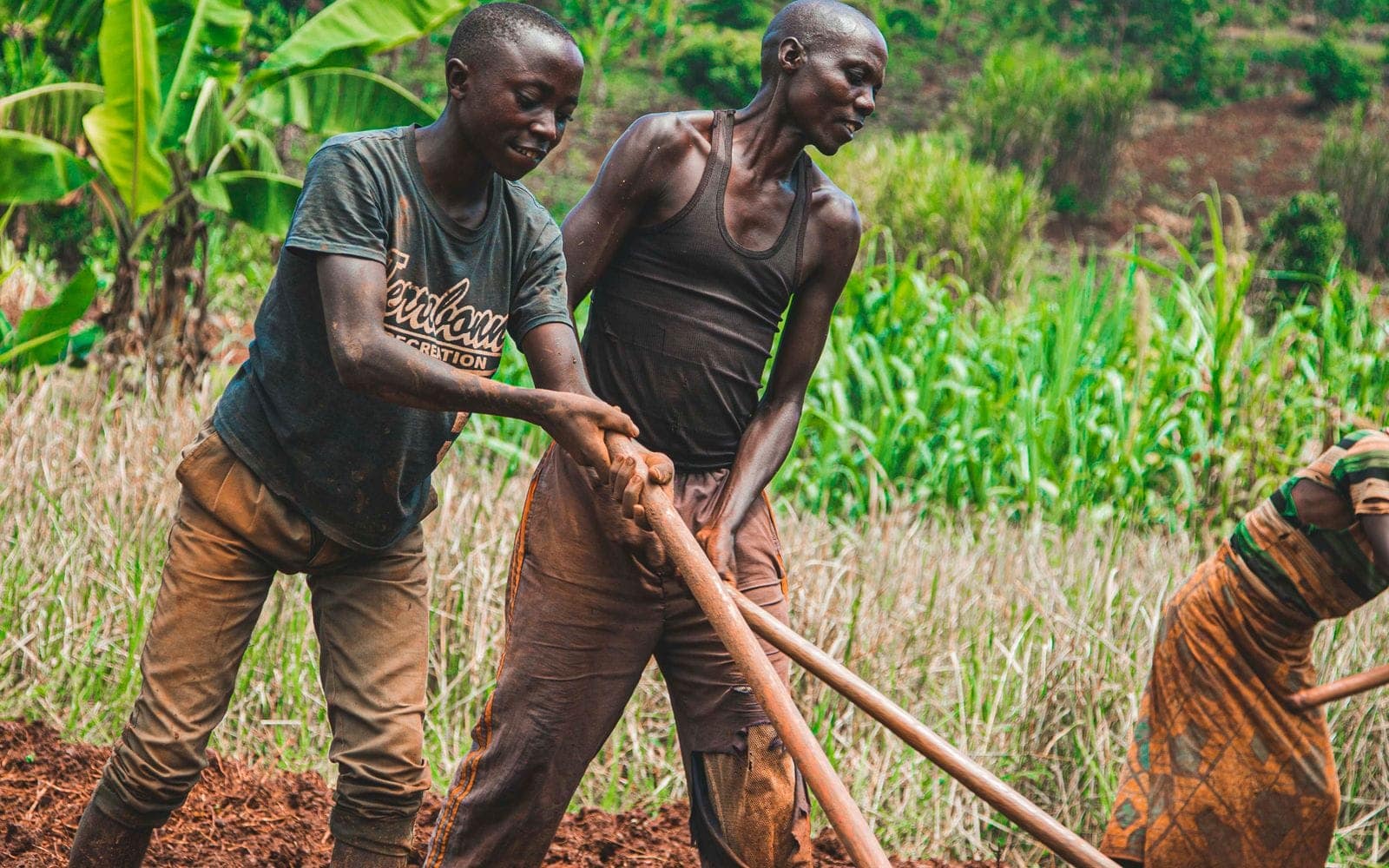
Converting to organic farming is rarely a sudden turning point. For most farmers, it is a years-long process in which soil, crops and farming habits must gradually adapt to a different way of farming. Understanding this roadmap helps producers prepare psychologically and financially for the most difficult period: the early years.
Why is a transition period needed?
Conventional cropland over long periods of time often depends on quick-release fertilizers and synthetic pesticides. When these inputs are discontinued, soil biota need time to recover, organic matter content needs to rebuild, and natural enemy populations need to re-establish. Most international organic standards therefore require a transition period before a product can be certified, usually counting from the last use of the prohibited material.
Things to do soon
- Assess current land condition:Take samples for analysis to get a starting point for nutrients, pH and organic matter.
- Identify the source of infection:Neighboring fields, irrigation water sources, and spray routes from the surrounding area.
- Planning crop rotation:Introduce legumes and cover crops into the system to improve the soil.
- Start keeping a field diary:All activities, supplies and harvests need to be recorded from the beginning.
Common difficulties
Productivity often decreases in the first one to two years when the soil has not recovered, while products are not sold at organic prices. Pest pressure may increase temporarily before the ecosystem returns to balance. This is the stage when many farmers give up, so preparing backup resources and starting on a moderate area is safer than converting the entire farm at once.
Look long term
After the transition period, many farms noted better soil moisture retention, less dependence on purchased inputs and more stable selling prices thanks to contracts with buyers with clear needs. Organic farming is not a return to old ways, but a management system that requires more observation and more timely intervention.