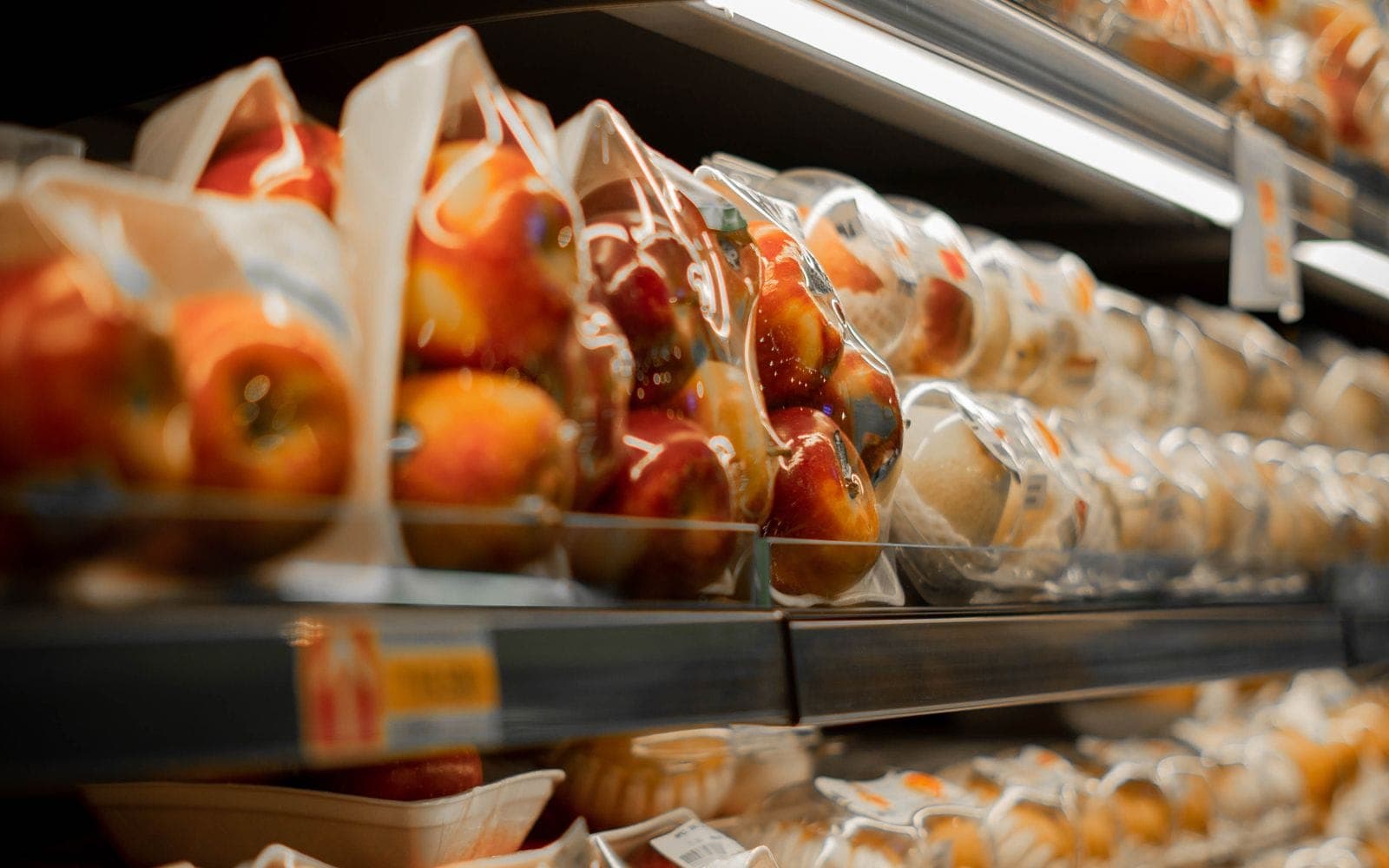
Fresh agricultural products begin to decline in quality right from the time of harvest. Temperature is the factor that has the greatest influence on this rate of decline. A well-controlled cold chain does not make agricultural products better, but retains much of its inherent quality until it reaches buyers in distant markets.
Initial cooling
The first and most overlooked link is to lower the product temperature to the target storage level as soon as possible after harvest. The time between cutting and cooling, especially in the sun, can cause irreversible damage. Harvesting during the cool part of the day and covering the product on the way to the processing area are simple but important measures.
Storage and transfer
- Cold storage needs to maintain a stable temperature, avoiding fluctuations due to opening the door many times.
- Arrange the goods so that cold air circulates around every pallet.
- Do not combine products with different temperature requirements or products that produce a lot of ethylene gas with products that are sensitive to this gas.
Long distance transportation
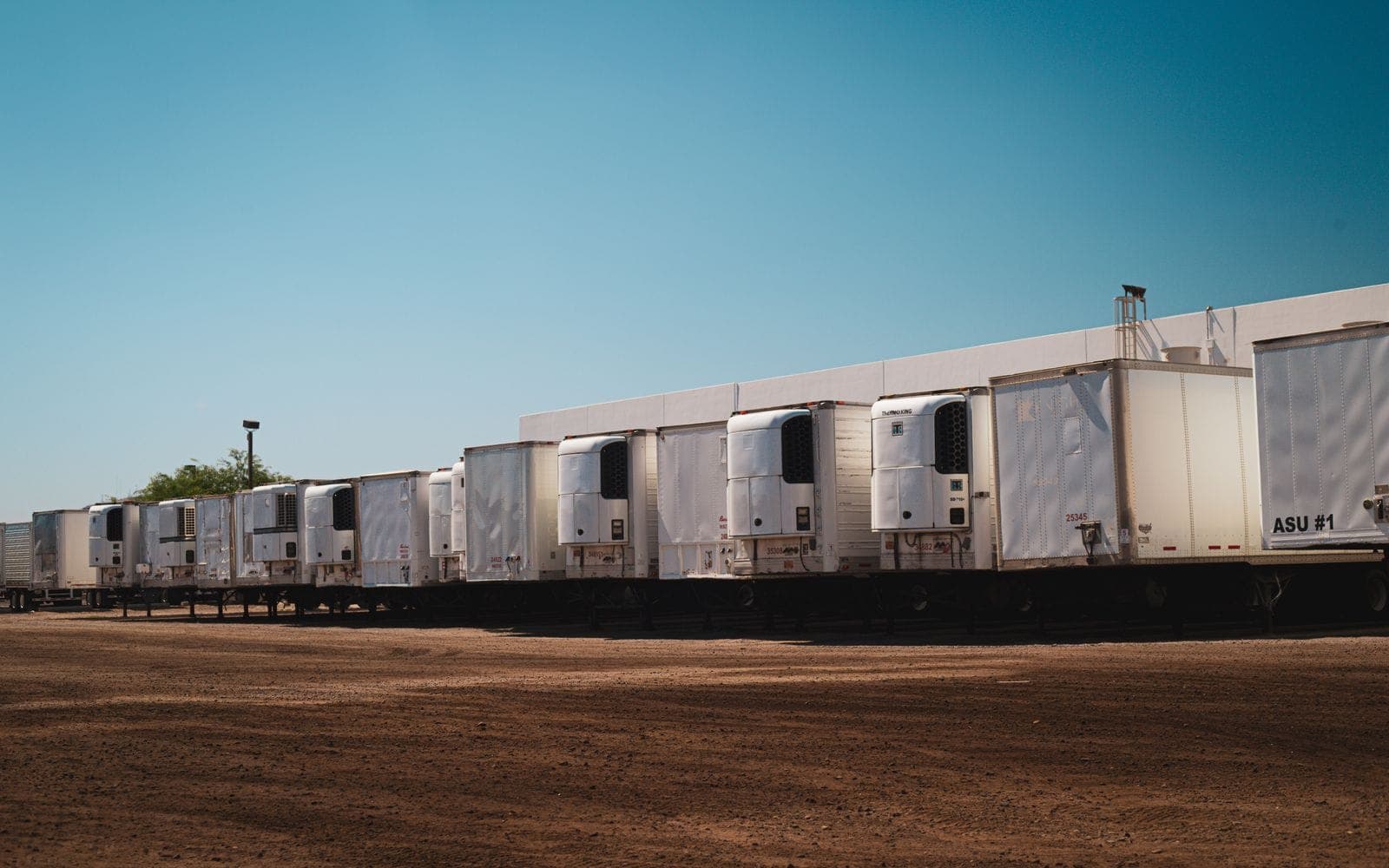
Refrigerated containers need to be installed to the correct parameters and checked before packing. Packing should take place quickly, in a cool area, and the container should be pre-cooled. The trip temperature recorder allows the buyer to verify that the cold chain has not broken en route.
Handover at destination
The final link is the process of unloading the goods and transferring them to the buyer's warehouse. A perfect cold chain at sea can still be damaged if the goods lie on a hot beach while waiting for customs clearance. Agreeing in advance with your partner on the receiving process is part of a good logistics contract.
Cold chain and organic profile
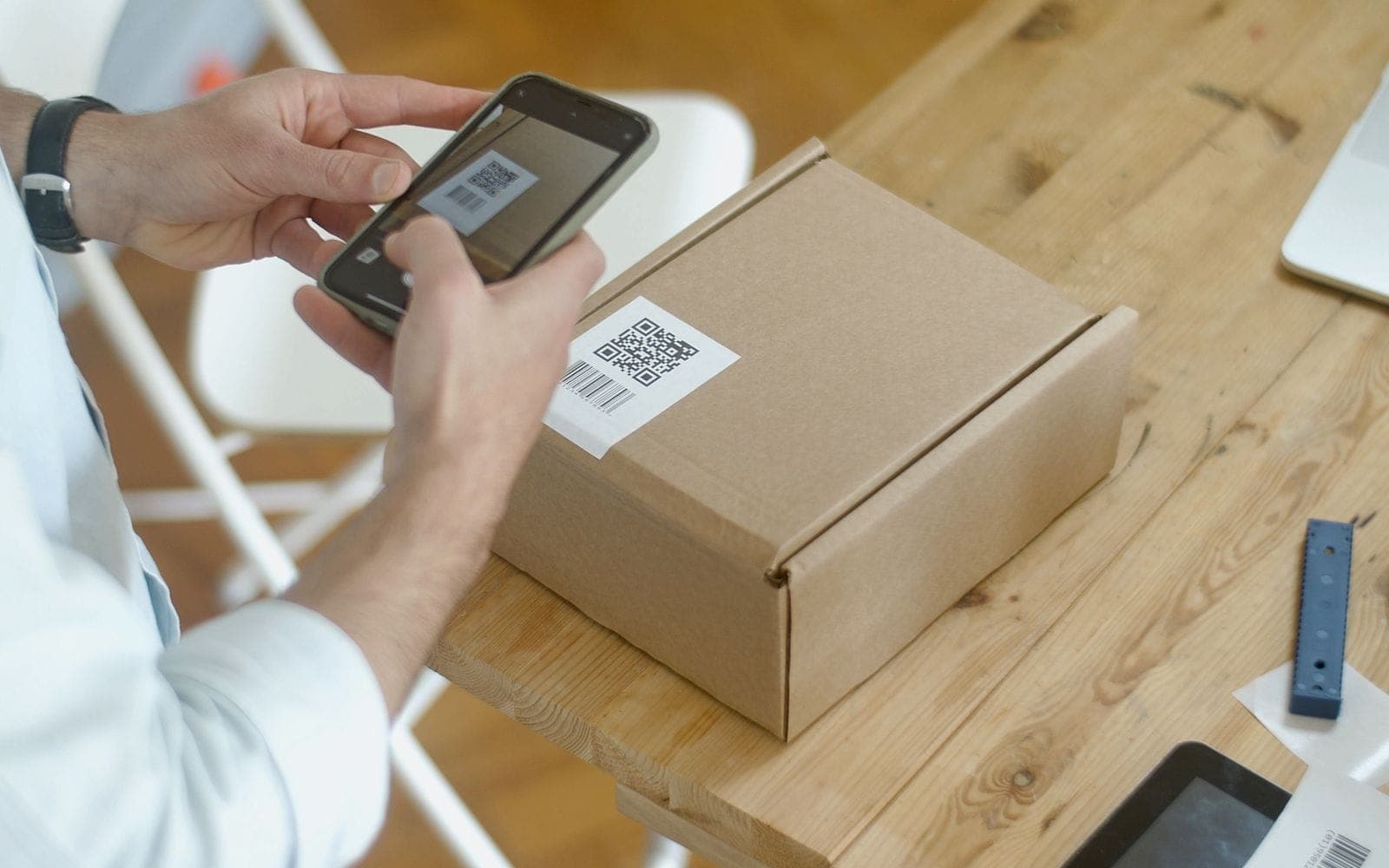
Throughout the journey, organic products must still be clearly separated and identified. Temperature records and organic traceability records are often kept in parallel, as both buyers and regulatory authorities in import markets may require.