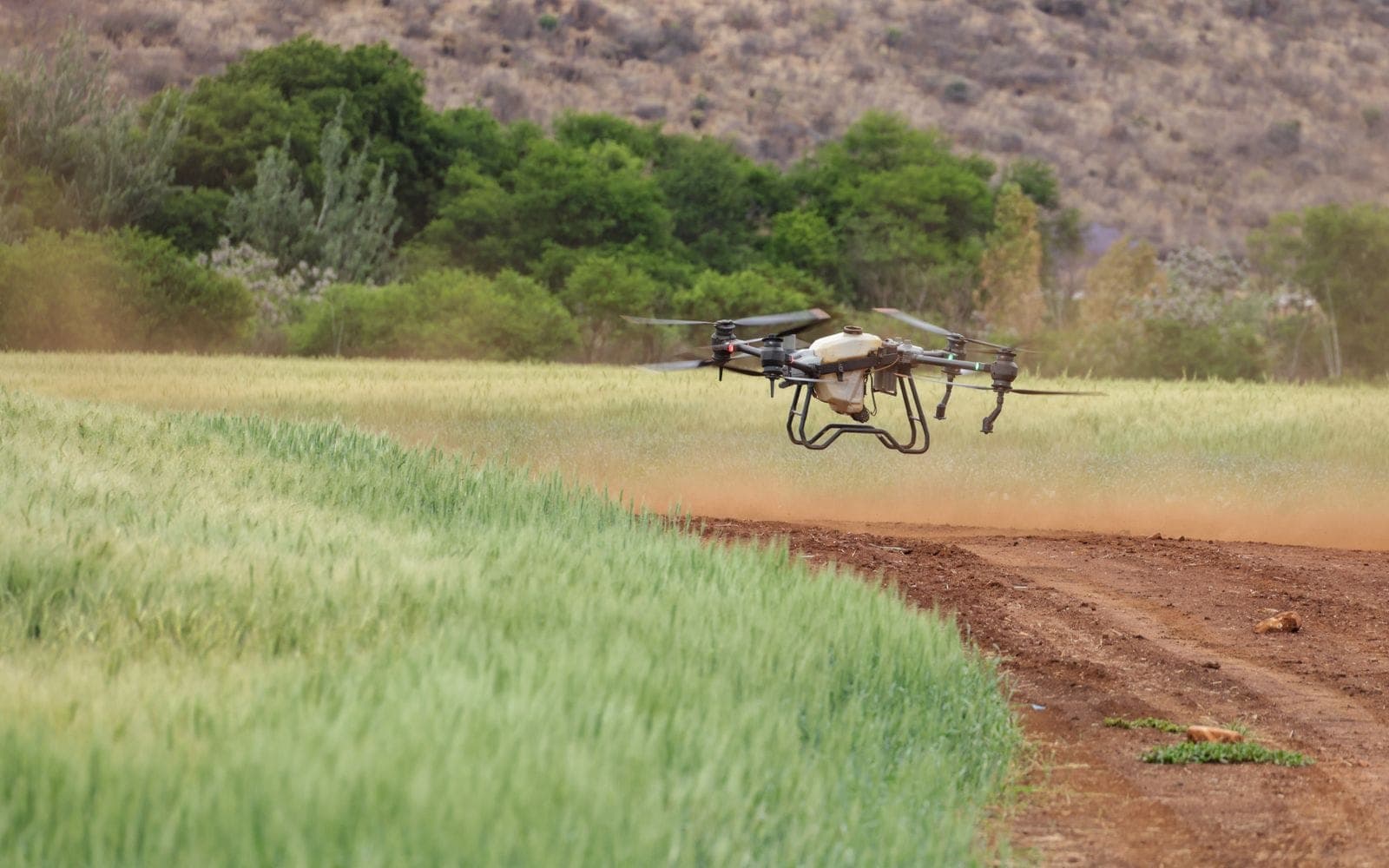
“Precision farming” is often envisioned in association with large machinery and dosed chemicals. But at its root, the concept is simple: making farming decisions based on plot-specific data, rather than applying a general formula. This understanding is completely consistent with organic farming.
Data that an organic farm can collect
- Results of soil analysis by plot and over time: organic matter, pH, nutrients.
- Weather and soil moisture logs serve irrigation decisions.
- Pest and weed pressure map by region.
- Detailed yield by plot to detect problem areas.
Heritage "Honey No. 9"
The name is associated with the meticulous farming tradition that Flora Global inherits: careful observation, full recording, and adjustment based on what the fields respond to each season. This is the spirit we try to bring into every production area we participate in.
Why data is important for organic
In organic systems, growers don't have quick intervention tools to "correct" a mistake mid-season. Therefore, the quality of early-season and mid-season decisions is even more important. Good data helps detect adverse trends early, allocate resources to the right areas of attention, and accumulate insights over the years.
Technology is at the right level
Not every farm needs complex sensors and software. For many regions, a consistent system of records, parcel maps, and periodic soil analysis schedules create much of the value. Flora Global chooses the level of technology commensurate with the scale and capacity of each production area.