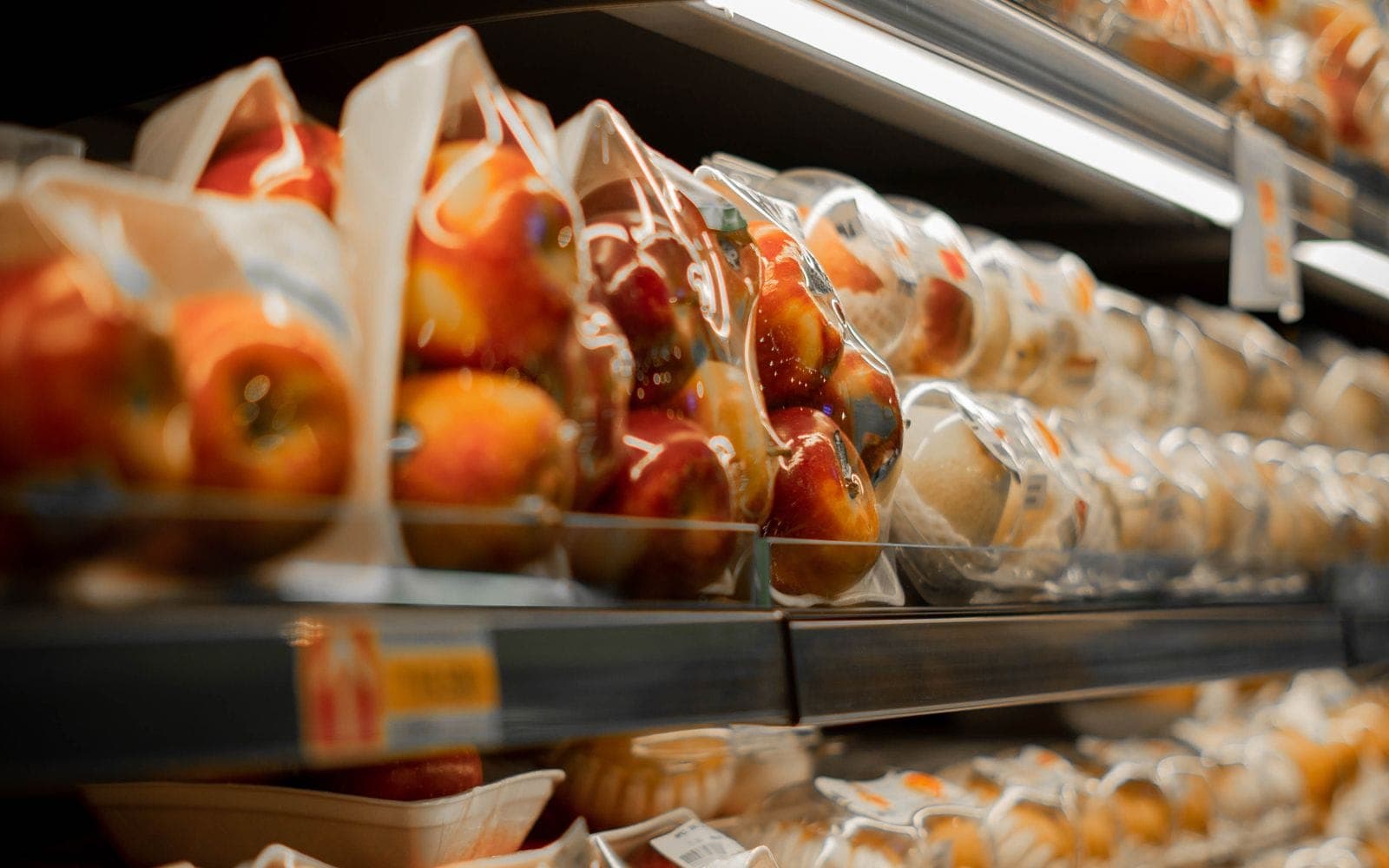
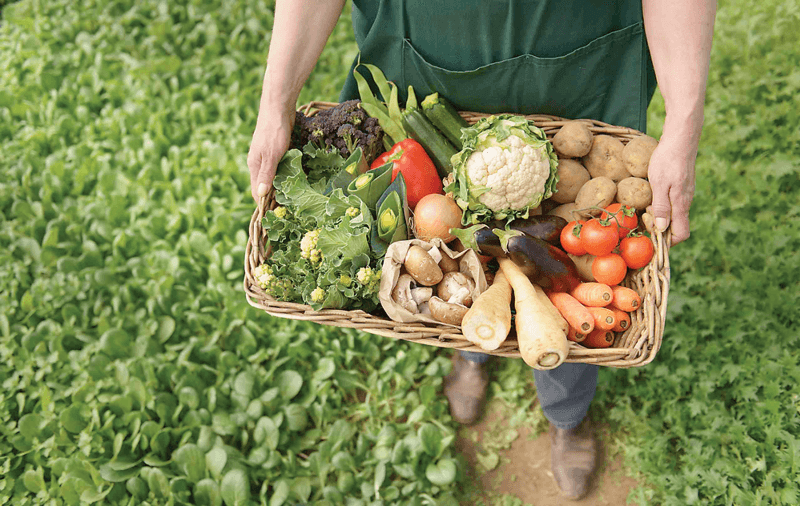
Organic agriculture is becoming an inevitable trend not only in developed countries but also in Vietnam. With the increasing demand for clean and safe food, organic agriculture not only meets domestic consumption needs but also opens up great opportunities for export. However, to take advantage of this potential, Vietnam's agricultural sector still faces many challenges and needs more practical support policies.
Organic agriculture – From trend to development strategy
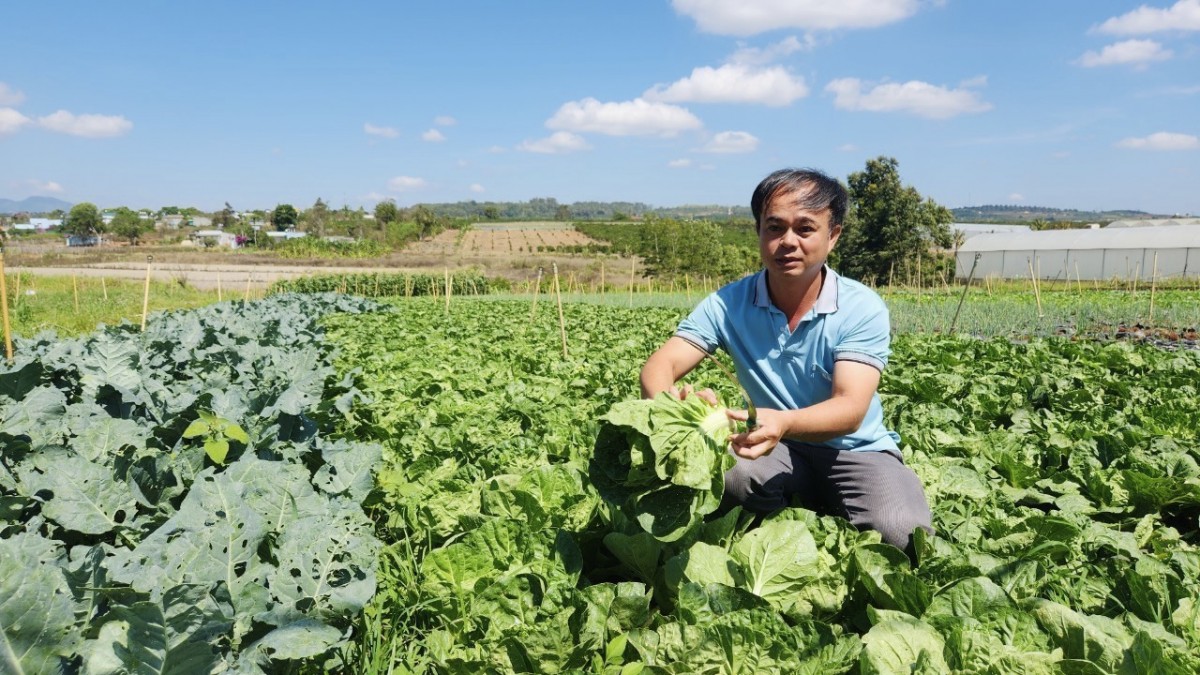
Organic agriculture in Vietnam in recent years has had a strong transformation. In contrast to traditional farming models that use chemicals and inorganic fertilizers, organic production methods are increasingly being chosen by many farmers thanks to their outstanding health, environmental and economic benefits. The area of organic farming has increased significantly, especially in provinces such as Lam Dong, Son La, and Dong Nai, where organic agricultural products are produced and processed with high quality, meeting international standards.
In particular, in recent years, Vietnamese organic agricultural products have been present in demanding international markets such as the EU, Japan and the US, opening up promising export opportunities. According to data from the Ministry of Agriculture and Rural Development, Vietnam currently has about 200 thousand hectares of organic agricultural land and this number is continuing to increase. The Vietnamese government has also clearly recognized the importance of this field and implemented policies to support the development of organic agriculture, from preferential loans, technical training for farmers to trade promotion programs to bring Vietnamese organic products to the world.
However, organic agriculture in Vietnam is still facing many difficulties. Organic production costs are often higher than traditional production methods, due to strict technical requirements, long cultivation times and lack of adequate support resources for farmers. The lack of a uniform organic product certification system and inaccurate information are also one of the major obstacles for consumers in choosing the right organic products.
Challenges and opportunities for sustainable development
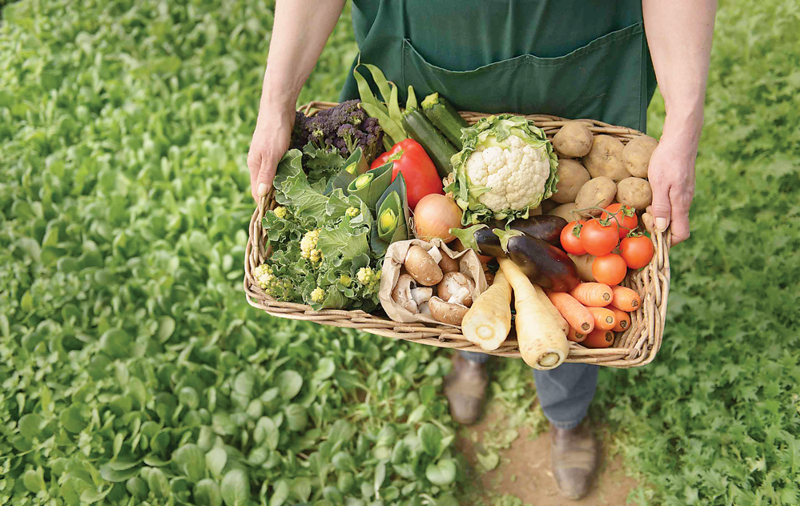
Organic agriculture in Vietnam brings many benefits, not only to consumers but also to producers and the environment. Organic products have higher nutritional value and do not contain chemical residues, helping to protect consumers' health. Furthermore, organic production methods also help protect land, reduce pollution and preserve biodiversity, thereby contributing to creating a sustainable agriculture.
However, to develop sustainable organic agriculture, Vietnam needs to solve many problems, especially the connection between farmers, businesses and scientific organizations. Processing enterprises need to invest in product research and development, brand building and enhance trade promotion for organic products. At the same time, raising consumer awareness about the benefits of organic products is also an important factor to help promote the domestic organic product consumption market.
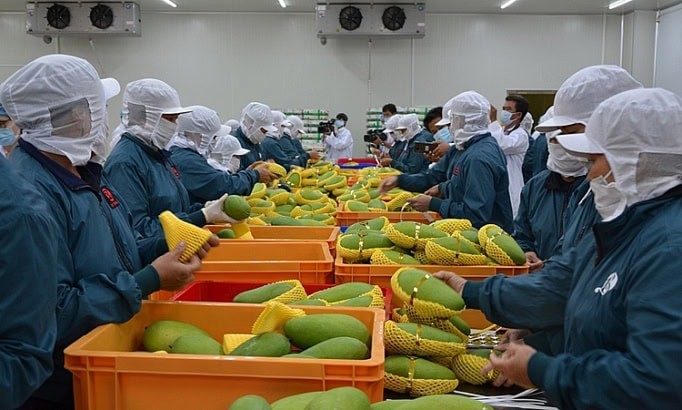
In addition, support policies from the State need to be deployed more strongly, including reducing initial investment costs for farmers, supporting training and certification of organic products, and promoting production linkage models between farmers and businesses. The government also needs to create a favorable legal environment to promote research activities, technology transfer and improve organic production capacity.
Organic agriculture is opening up great opportunities for the sustainable development of Vietnamese agriculture, not only meeting domestic consumption needs but also reaching out to the world. However, to take advantage of this potential, we need to make efforts to solve technical, cost and market connection challenges, creating a stable and sustainable organic agriculture development in the future.
Source: https://nongnghiephuuco. vn/bat-kip-xu-huong-huu-co-huong-di-ben-vung-cho-nen-nong-nghiep-viet-nam-6415. html